
Introduction: Building a Long-Term Strategy for Home Protection and Efficiency
A home is one of the most important investments a person can make, and maintaining that investment requires more than occasional repairs or cosmetic improvements. Every home depends on a network of systems that work together to provide safety, comfort, efficiency, and functionality. Heating and cooling systems regulate indoor temperatures, plumbing and water heating systems support daily convenience, appliances improve efficiency, and structural features protect against environmental damage. When these systems are maintained properly, homeowners experience fewer emergencies, lower operating costs, and greater long-term property value.
Unfortunately, many costly home repairs begin as small issues that are easy to overlook. Reduced airflow, hidden leaks, aging appliances, or neglected maintenance tasks may not seem urgent at first, but they often lead to larger structural and financial problems over time. Delaying repairs almost always increases both damage severity and repair costs.
Preventative maintenance offers a more practical and affordable solution. Routine inspections and strategic upgrades allow homeowners to identify wear early, improve efficiency, and extend the lifespan of important systems. In many cases, proactive maintenance also improves comfort and indoor air quality while reducing monthly utility expenses.
Modern homeowners also face growing demands on household systems. Heating and cooling systems work harder during periods of extreme weather, appliances operate more frequently, and homes increasingly serve multiple functions such as remote workspaces, entertainment areas, and multi-generational living environments. These changing demands make regular maintenance and thoughtful upgrades even more important.
Another essential factor is coordination. Home systems do not function independently. Poor ventilation affects HVAC performance, outdated appliances increase energy usage, and water heating inefficiencies impact plumbing systems and utility costs. Maintaining these systems together creates a more balanced and reliable living environment overall.
This guide explores practical strategies homeowners can use to maintain, upgrade, and protect their homes through preventative maintenance, efficient system management, and thoughtful improvements. By focusing on both short-term functionality and long-term planning, homeowners can create safer, cleaner, and more comfortable living spaces while protecting the long-term value of their property.
Protect Your Financial Investment Before Unexpected Damage Occurs

Unexpected damage can occur even in well-maintained homes. Storms, plumbing failures, electrical problems, and structural damage all have the potential to create significant repair expenses. One of the most important ways homeowners protect themselves financially is through comprehensive Home insurance coverage.
Insurance policies help cover many major repair costs, but homeowners should understand that coverage often depends on whether damage resulted from sudden events or long-term neglect. Insurance companies may deny claims when preventable maintenance issues are ignored for extended periods.
Common situations that may involve insurance claims include:
- Storm damage to roofing or siding
- Burst pipes or sudden plumbing leaks
- Fire or smoke damage
- Appliance-related water damage
- Wind or hail damage
Homeowners should carefully review their policies to understand:
- Coverage limits
- Deductible requirements
- Exclusions related to maintenance neglect
- Water damage and flooding limitations
- Additional protection options for valuable belongings
Routine maintenance helps support stronger insurance claim outcomes because it demonstrates responsible ownership and reduces the likelihood of preventable damage.
Important preventative practices include:
- Inspecting roofing systems regularly
- Maintaining plumbing and drainage systems
- Keeping records of repairs and upgrades
- Documenting major maintenance work with photographs and receipts
Emergency preparedness is also important. Homeowners should know how to shut off water, electricity, and gas systems during emergencies.
Additional preparedness strategies include:
- Creating emergency contact lists
- Keeping important documents in secure locations
- Installing smoke and carbon monoxide detectors
- Reviewing coverage annually to reflect property upgrades
Protecting a home financially requires both strong insurance coverage and consistent preventative care.
Create More Functional and Comfortable Interior Living Spaces
Comfort and functionality play major roles in how homeowners experience their living environments. Poor layouts, outdated materials, and inefficient use of space often create frustration and reduce long-term usability.
Professional interior design services help homeowners improve how spaces function while also enhancing aesthetics and organization. Modern design planning focuses not only on appearance but also on practical everyday living.
Key goals of effective interior planning include:
- Improving natural light and airflow
- Maximizing storage solutions
- Creating efficient traffic flow between rooms
- Choosing durable, easy-to-maintain materials
Many homeowners also work with a local home builder when planning additions, renovations, or larger structural upgrades. Builders help ensure that remodeling projects support both structural integrity and long-term functionality.
Popular improvement projects include:
- Expanding kitchens or living spaces
- Creating home offices or multi-purpose rooms
- Improving storage capacity
- Upgrading outdated layouts
Material selection is especially important for long-term maintenance and efficiency.
Recommended features often include:
- Moisture-resistant flooring and finishes
- Energy-efficient windows and insulation
- Durable countertops and cabinetry
- Low-maintenance wall and trim materials
Thoughtful design also improves emotional comfort within the home. Well-organized spaces reduce clutter, improve functionality, and create more relaxing living environments.
Additional ways to improve interior comfort include:
- Layered lighting for different activities
- Flexible furniture arrangements
- Better sound insulation between rooms
- Smart home technology integration
Well-planned upgrades create homes that are easier to maintain while supporting changing household needs over time.
Improve Indoor Air Quality Through Better Ventilation and Airflow
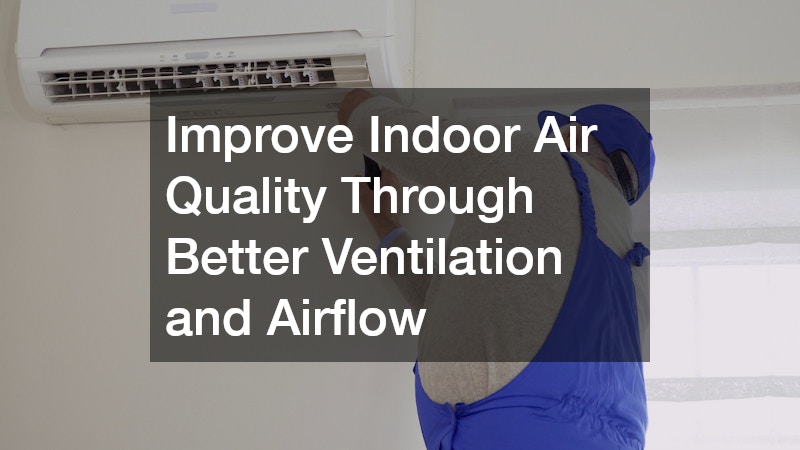
Indoor air quality has a major impact on comfort, respiratory health, and HVAC efficiency. Dust, allergens, pet dander, mold spores, and debris often accumulate inside ventilation systems over time, reducing airflow and circulating contaminants throughout the home.
Professional air duct cleaning and repair services help improve ventilation system performance while supporting healthier indoor environments.
Common signs of dirty or damaged ductwork include:
- Excess dust accumulation indoors
- Uneven airflow between rooms
- Persistent odors from vents
- Increased allergy symptoms indoors
- Higher heating and cooling costs
Duct damage can also reduce HVAC efficiency significantly. Leaks and disconnected sections force systems to work harder while allowing conditioned air to escape into unused spaces.
Routine duct maintenance offers several benefits:
- Improved indoor air quality
- Better airflow consistency
- Reduced HVAC strain
- Lower utility costs
- Cleaner living environments
Homeowners should also pay attention to humidity levels. Excess humidity contributes to mold growth and poor indoor comfort.
Additional ways to improve air quality include:
- Replacing HVAC filters regularly
- Using dehumidifiers where needed
- Keeping vents unobstructed
- Cleaning return air registers periodically
Ventilation inspections are especially important after remodeling projects, pest infestations, or water damage incidents because contaminants often accumulate inside duct systems during these events.
Proper airflow and clean ventilation systems support healthier and more efficient homes.
Prevent Heating System Failures During Colder Months
Heating systems are essential for maintaining safe and comfortable indoor environments during colder weather. When heating systems fail unexpectedly, the consequences can be both uncomfortable and expensive.
Routine furnace repair services help homeowners identify developing issues before complete breakdowns occur. Many heating problems worsen gradually, making preventative inspections especially valuable.
Warning signs that heating systems require attention include:
- Uneven temperatures throughout the home
- Strange noises during operation
- Frequent cycling on and off
- Delayed thermostat response
- Increased heating costs
Neglected heating systems may also create safety concerns. Cracked heat exchangers, blocked ventilation systems, and electrical malfunctions can increase the risk of fire hazards or carbon monoxide exposure.
Preventative maintenance strategies include:
- Replacing filters regularly
- Cleaning vents and return ducts
- Scheduling annual inspections before winter
- Monitoring system performance during temperature changes
Additional ways to improve heating efficiency include:
- Sealing drafts around windows and doors
- Improving attic insulation
- Using programmable thermostats
- Maintaining proper airflow throughout the home
Regular maintenance improves reliability while reducing emergency repair risks during periods of peak winter demand.
Maintain Reliable Cooling Performance and Energy Efficiency
Cooling systems experience significant wear during warmer months, especially in regions with prolonged heat or humidity. Without proper maintenance, systems gradually lose efficiency and become more vulnerable to costly failures.
Professional ac repair helps address problems before they lead to complete system breakdowns.
Common warning signs include:
- Weak airflow from vents
- Warm air coming from cooling systems
- Excess indoor humidity
- Unusual noises during operation
- Rising utility bills without increased usage
Experienced HVAC contractors evaluate system performance and identify opportunities for efficiency improvements.
Routine inspections often include:
- Cleaning evaporator and condenser coils
- Checking refrigerant levels
- Inspecting electrical connections
- Testing thermostat accuracy
- Evaluating airflow and duct performance
Preventative maintenance helps cooling systems operate more efficiently while extending equipment lifespan.
Homeowners can further improve cooling performance by:
- Keeping outdoor units free of debris
- Using ceiling fans to improve circulation
- Sealing air leaks throughout the home
- Installing energy-efficient window coverings
Additional efficiency strategies include:
- Upgrading insulation
- Maintaining proper humidity control
- Scheduling tune-ups before summer temperatures rise
- Replacing aging components proactively
Reliable cooling systems improve comfort while reducing long-term operating costs.
Extend Appliance Lifespan Through Preventative Care and Timely Repairs
Household appliances support nearly every aspect of daily living. Refrigerators preserve food, washing machines simplify cleaning tasks, and dishwashers reduce water usage and labor. Because appliances operate so frequently, regular maintenance is essential for efficiency and reliability.
Professional appliance repairs help homeowners address mechanical issues early before systems fail completely.
Common warning signs of appliance problems include:
- Unusual noises during operation
- Reduced efficiency or longer cycle times
- Water leaks near appliances
- Excessive energy usage
- Inconsistent performance
Preventative maintenance practices vary depending on appliance type.
Important maintenance tasks may include:
- Cleaning refrigerator coils regularly
- Inspecting washing machine hoses for wear
- Removing lint buildup from dryers
- Cleaning dishwasher filters and spray arms
Neglected appliances often consume more energy and place additional strain on household electrical and plumbing systems.
Homeowners should also evaluate whether repair or replacement offers better long-term value.
Factors to consider include:
- Appliance age
- Frequency of repairs
- Energy efficiency ratings
- Replacement part availability
Additional ways to improve appliance lifespan include:
- Avoiding overloading machines
- Following manufacturer maintenance recommendations
- Addressing small performance issues promptly
- Scheduling professional servicing when needed
Well-maintained appliances improve convenience while reducing long-term operating expenses.
Improve Water Heating Efficiency and Household Performance
Water heating systems are among the largest contributors to household energy usage. Whether providing hot water for showers, cleaning, or appliances, these systems operate constantly and require regular maintenance for efficiency and reliability.
Many homeowners upgrade to a tankless water heater because these systems heat water on demand instead of storing large amounts continuously.
Benefits of tankless systems include:
- Improved energy efficiency
- Reduced standby heat loss
- Longer operational lifespan
- Consistent hot water supply
Traditional systems still remain common, however, and both types require regular water heater services to maintain performance.
Warning signs that water heating systems require attention include:
- Inconsistent water temperatures
- Reduced hot water supply
- Rust-colored water
- Unusual noises from tanks or pipes
- Water leaks around equipment
Routine maintenance tasks include:
- Flushing tanks to remove sediment buildup
- Inspecting pressure relief valves
- Checking for corrosion or leaks
- Monitoring burner or heating element performance
Sediment buildup is one of the most common causes of reduced efficiency because mineral deposits force systems to work harder.
Additional ways to improve water heating efficiency include:
- Insulating hot water pipes
- Lowering water temperature settings slightly
- Installing low-flow plumbing fixtures
- Replacing aging systems before failure occurs
Efficient water heating systems improve comfort while reducing utility costs and maintenance needs.
Conclusion: Creating a Safer, More Efficient, and More Comfortable Home
Protecting and improving a home requires consistent attention, thoughtful planning, and a proactive approach to maintenance. Every system within a home—heating, cooling, plumbing, ventilation, appliances, and structural components—plays a role in overall comfort, efficiency, and long-term reliability. When these systems are maintained properly, homeowners experience fewer emergencies, lower operating costs, and greater peace of mind.
One of the most important lessons homeowners can apply is the value of prevention. Small issues such as restricted airflow, aging appliances, declining heating performance, or hidden plumbing concerns rarely improve on their own. In most cases, these problems worsen gradually until they require expensive repairs or replacements. Addressing concerns early protects both the home’s structure and the homeowner’s financial investment.
Strategic upgrades also provide lasting benefits. Efficient heating and cooling systems reduce utility costs, modernized water heating equipment improves performance, and thoughtful interior improvements create more functional living environments. Together, these upgrades help homes remain adaptable to changing household needs while increasing overall property value.
Organization and planning are equally important. Seasonal maintenance schedules, preventative inspections, and realistic budgeting help homeowners manage repairs more effectively while avoiding costly surprises. Coordinated home care ensures that systems continue operating efficiently and reliably year after year.
Ultimately, maintaining and upgrading a home is not simply about preventing damage—it is about creating a healthier, safer, and more comfortable place to live. By combining preventative maintenance with strategic improvements and long-term planning, homeowners can protect their investment while building a property that remains functional, efficient, and valuable for many years to come.