
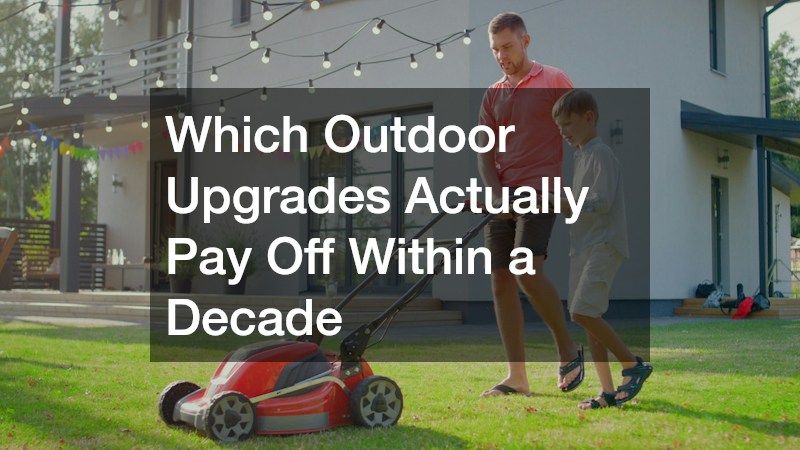
Not every outdoor project is created equal when it comes to recouping your investment. Some upgrades quietly boost your home’s value and curb appeal for years, while others drain your bank account without ever paying you back. If you’re trying to decide where to spend your renovation budget this year, it helps to know which projects consistently deliver returns within a ten-year window. This guide breaks down the outdoor upgrades worth prioritizing, along with the maintenance work that protects the investment you already have.
Replacing an Aging Roof Before It Fails
A roof replacement is one of the few outdoor projects that reliably returns a significant portion of its cost at resale, often recovering sixty to seventy percent of the investment within a decade. Buyers see a new roof as a sign that they won’t face a five-figure repair bill in their first few years of ownership, which makes homes with recent roof work sell faster and closer to asking price. Timing the replacement matters as much as the decision itself. Most asphalt shingle roofs start showing their age around eighteen to twenty years, with curling edges, granule loss in the gutters, and dark streaking signaling that a full tear-off is coming soon rather than later. Waiting for an active leak often means dealing with damaged decking or insulation, which turns a straightforward reroofing job into a more expensive repair project. Material choice also affects the payoff. Standard asphalt shingles remain the most cost-effective option for maximizing resale return, while upgrades like architectural shingles or metal roofing cost more upfront but can extend lifespan past thirty or forty years and appeal to buyers looking for lower long-term maintenance. Getting quotes from a few different Roofing Contractors before committing is worth the extra week it takes, since prices and material recommendations can vary widely between companies. A reputable contractor should also be willing to provide references, proof of insurance, and a clear breakdown of warranty coverage on both materials and labor, details that protect the investment long after the crew has packed up.
Beyond resale value, a solid roof protects everything underneath it, from insulation to framing to your family’s belongings. Most asphalt shingle roofs last 20 to 25 years, but factors like poor attic ventilation, hail damage, or a low-quality initial installation can shorten that lifespan considerably. Waiting until you see visible leaks usually means you’ve already sustained hidden water damage, since moisture often travels along rafters before it ever stains a ceiling. Scheduling an inspection every few years, especially after major storms, helps catch small problems while they’re still cheap to fix. A professional will typically check for cracked or curling shingles, rusted flashing around chimneys and vents, and soft spots in the decking that signal rot. Catching these issues early can mean a repair bill of a few hundred dollars instead of a full replacement costing thousands. Many local roofers offer these inspections at a low cost or even free, especially if you’re a returning customer or live in an area recently hit by severe weather. Some companies will also provide a written report with photos, which is useful documentation if you ever need to file an insurance claim. Staying proactive this way not only avoids costly repairs but also strengthens your negotiating position when it’s time to sell.
Upgrading Entry Doors for Storm Protection
Few upgrades pack as much punch per dollar as replacing an old entry door with a storm-rated option. Impact doors are engineered to withstand flying debris and extreme wind pressure, which makes them especially valuable in regions prone to hurricanes or severe thunderstorms. Homeowners in these areas often see insurance premium reductions after installation, on top of the resale bump that comes from added curb appeal and security.
These doors also tend to be better insulated than standard models, which can shave a noticeable amount off monthly energy bills. Because they’re built with reinforced frames and laminated glass, they last considerably longer than typical doors exposed to years of sun and moisture. That durability is a big part of why the upfront cost gets recovered so reliably over time.
Refinishing and Restoring an Existing Deck
A worn, gray deck can make an otherwise well-kept home look neglected from the outside. Rather than tearing out an aging structure and starting over, deck restoration is often the smarter financial move, since resurfacing, sanding, and resealing costs a fraction of a full rebuild. This approach also preserves the existing footprint and support structure, which is usually the most expensive part of any deck project.
A properly restored deck can look nearly new for a fraction of replacement cost, and it signals to buyers that outdoor living space has been cared for. Sealants and stains formulated for high-traffic areas hold up better against sun exposure and foot traffic than basic hardware store products. Doing this maintenance every two to three years keeps the wood from reaching the point where replacement becomes unavoidable.
Installing a New Fence for Privacy and Security

A well-built fence does more than mark property lines; it adds privacy, contains pets, and makes a yard feel like usable living space rather than an open field. Working with an established fence company ensures the structure is set with proper post depth and spacing, which matters a great deal in areas with shifting soil or heavy wind. Quality materials and correct installation are the difference between a fence that lasts five years and one that lasts twenty.
- Vinyl and aluminum options require less upkeep than traditional wood
- Taller privacy fences tend to add more resale value in suburban neighborhoods
- Local permit requirements should be checked before installation begins
- Shared fence costs with neighbors can sometimes be split by agreement
Maintaining Heating and Cooling Systems for Efficiency
Outdoor upgrades aren’t limited to what’s visible from the curb; the equipment tucked beside or behind your house matters just as much to a buyer’s overall impression. Central air condensers, heat pumps, and furnace exhaust vents all live outside or straddle the exterior wall, and their visible condition sends a signal before anyone even asks about maintenance records. Routine heating service keeps furnaces and heat pumps running efficiently, which prevents the kind of sudden breakdown that scares off buyers during a home inspection. An annual tune-up, typically $75 to $200, catches worn belts, refrigerant leaks, and clogged filters before they turn into a failed unit that stalls a closing. Buyers and inspectors also notice smaller outdoor details: a condenser unit free of leaves and debris, clear clearance around vents, and a level pad that hasn’t shifted or cracked. These are inexpensive fixes, but neglecting them suggests the whole system has been ignored. A well-documented service history is often enough to reassure a buyer that they won’t inherit someone else’s neglected equipment. Keeping receipts, filter-change logs, and technician notes organized in a folder — physical or digital — turns routine maintenance into a tangible selling point rather than an invisible expense.
On the cooling side, staying ahead of small issues through regular air conditioning repair prevents minor problems from turning into full system failures during the hottest months. Refrigerant leaks, worn capacitors, and dirty coils are common culprits that a technician can catch early, often during a routine seasonal inspection that costs far less than an emergency service call. A unit that’s low on refrigerant, for example, has to work harder to reach the same temperature, which drives up energy bills and shortens compressor life. Most HVAC professionals recommend a checkup twice a year—once before summer and once before winter—along with monthly filter changes during heavy-use months. Simple habits like keeping outdoor condenser units free of leaves, grass clippings, and debris also go a long way toward maintaining airflow and preventing strain on the system. Keeping these systems in good shape protects both your comfort and the resale value tied to a home’s mechanical condition. A well-documented maintenance history, including service records showing regular tune-ups and prompt repairs, can reassure buyers that they won’t inherit a costly replacement soon after closing.
Protecting the Home’s Foundation from Termite Damage
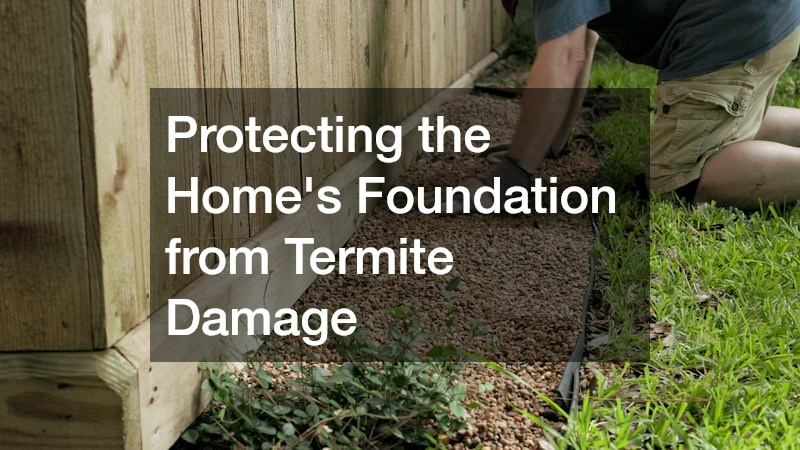
Wood-destroying insects cause billions of dollars in property damage every year, and much of that damage starts outdoors before it ever reaches the interior framing. Scheduling regular termite control isn’t glamorous, but it’s one of the cheapest forms of insurance a homeowner can buy, especially in warmer climates where colonies are active year-round. Left unchecked, termite damage can compromise structural beams and require repairs that dwarf the cost of prevention.
Buyers in many states now expect a termite inspection report before closing, which means untreated damage can delay or derail a sale entirely. Annual inspections catch early signs like mud tubes or hollow-sounding wood before they spread. This is one area where a small annual expense clearly pays for itself many times over.
Servicing Septic and Drain Field Systems
For homes not connected to municipal sewer lines, the septic system is a major factor in both daily function and long-term property value. Regular septic pumping every three to five years prevents solids from building up and overwhelming the system, which can lead to backups or complete field failure. Household size, water usage habits, and tank capacity all influence how often pumping is actually needed, so a family of five with a 1,000-gallon tank may need service closer to the three-year mark. Beyond pumping, an annual inspection can catch early warning signs like slow drains, soggy patches near the drain field, or unusual odors before they escalate into costly repairs. Simple habits also extend system life considerably: avoiding harsh chemical drain cleaners, keeping grease out of sinks, and not flushing wipes or feminine products all reduce strain on the tank’s bacterial balance. Neglecting this maintenance is one of the most expensive mistakes a homeowner can make, since replacing a drain field often costs more than most kitchen renovations. Nationally, drain field replacement can run anywhere from $5,000 to $20,000 depending on soil conditions, system size, and local permitting requirements, while routine pumping typically costs a few hundred dollars. For buyers and sellers alike, a documented septic service history can also be a meaningful selling point, signaling that the system has been properly cared for over time.
Regular septic maintenance is one of the least glamorous upgrades a homeowner can make, but it pays off reliably when it’s time to sell. A standard gravity-fed system typically needs inspection every one to three years and pumping every three to five, depending on household size and tank capacity. Skipping this upkeep risks costly backups and drain field failures that can run into the tens of thousands of dollars to repair. Homes with an aerobic treatment unit require a bit more attention, since the atu drain field relies on mechanical components like aerators, pumps, and control panels that need periodic checkups, usually every three to four months under most maintenance contracts. These systems also often include an alarm that signals mechanical failure, so testing that alert regularly is worth adding to a homeowner’s routine. Keeping maintenance records handy reassures buyers that the system has been cared for, which matters a great deal during a real estate inspection. A folder with pump-out receipts, inspection reports, and any repair invoices gives buyers and their agents a clear timeline of care rather than a guessing game. A functioning, well-documented septic system removes one of the biggest question marks a buyer might have about a property. Since septic issues are among the top reasons deals fall through during inspection, that peace of mind can translate directly into a smoother closing and a stronger asking price.
Refreshing Landscaping for Curb Appeal
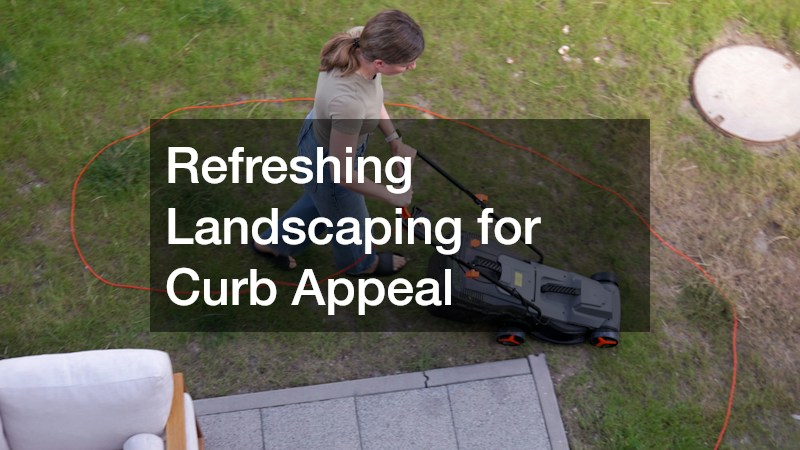
Landscaping is one of the most cost-effective ways to boost a home’s first impression, and it doesn’t require a massive budget to make a difference. Simple additions like fresh mulch, defined garden beds, and strategically placed trees can recoup a large percentage of their cost at resale. Mature trees in particular add value that takes years to replicate, so preserving healthy existing ones is often smarter than removing them.
- Native plants require less water and maintenance long term
- Uniform mulch color across beds creates a more polished look
- Lighting along walkways improves both safety and evening appeal
- Overgrown shrubs near windows should be trimmed back for visibility
Upgrading Outdoor Lighting and Security Features
Exterior lighting does double duty by improving safety and making a home’s architecture stand out after dark. Motion-activated fixtures near entry points deter potential intruders while also cutting down on energy waste compared to lights left on all night. Smart lighting systems that can be controlled remotely have become a popular selling point for buyers who value convenience and security together.
Beyond lighting, simple additions like visible security cameras or smart doorbells add a layer of protection that buyers increasingly expect. These features are relatively inexpensive compared to structural upgrades but make a noticeable difference in how safe and modern a property feels. Combined with well-maintained walkways and driveways, good lighting rounds out a home’s exterior presentation.
Not every outdoor project will pay for itself, but the ones that address structural integrity, safety, and curb appeal tend to hold their value best over a decade. Prioritizing roof condition, entry doors, decking, fencing, and the mechanical systems that keep a home running smoothly gives you the strongest return for your money. Start with a walk around your property to identify which of these areas need attention first, then tackle projects in order of urgency and budget. A little planning now can save you from costly surprises later and make your home more appealing whenever you decide to sell.