
When money is tight, tackling every exterior project on your wish list at once simply isn’t realistic. The good news is that a strategic approach can protect your home from costly damage while still improving curb appeal over time. Knowing which projects address safety and structural integrity versus which ones are purely cosmetic can help you decide where your first dollars should go. This guide breaks down how to rank exterior home improvements so you spend wisely and avoid emergency repairs down the road.
Assessing Your Roof’s Condition First
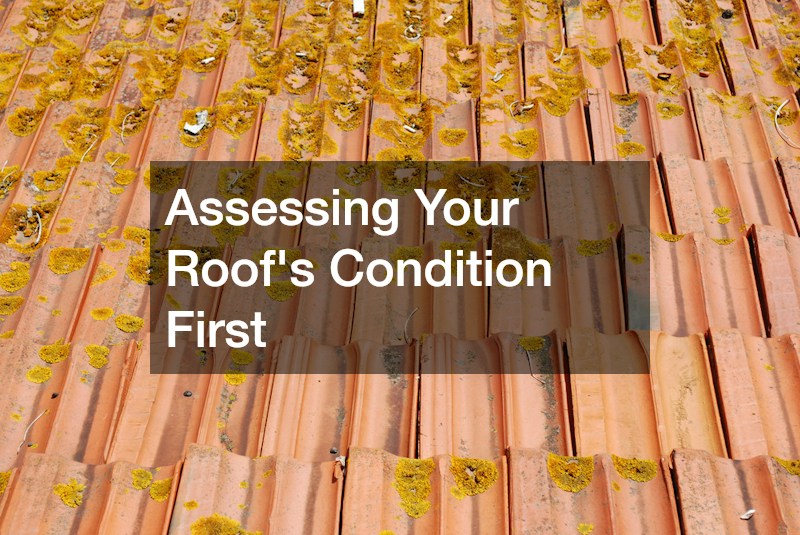
Your roof is the single most important barrier between your home and the elements, which makes it the logical starting point for any budget-conscious homeowner. A small leak left unaddressed can quickly turn into rotted decking, mold growth, and damaged insulation, all of which cost far more to fix than the original problem. A repair that might run a few hundred dollars today can easily balloon into a $10,000-plus replacement if water intrusion spreads into the attic and framing. Before allocating money elsewhere, walk your property and look for missing or curling shingles, sagging areas along the roofline, and granules collecting in your gutters like coarse sand.
Also check for daylight coming through the attic boards, dark streaks or moss on the roof surface, and soft spots underfoot if you’re able to safely access the area. These are all signs that your roofing material is nearing the end of its lifespan or has already been compromised. Age matters too — asphalt shingles typically last 20 to 25 years, so if your roof is approaching that range, even minor issues deserve prompt attention.
If you notice any of these warning signs, it’s worth getting an inspection scheduled sooner rather than later, ideally from a licensed roofer who can provide a written estimate. Many contractors offer free inspections, which makes this an easy, low-cost way to prioritize your next move before committing funds to less urgent exterior upgrades.
Before calling anyone, do a quick visual check yourself. Look for curling, cracked, or missing shingles, granules collecting in your gutters, sagging areas, or water stains on interior ceilings—these are all signs that your roof needs professional attention sooner rather than later. Getting quotes from local roofers is a smart next move because pricing and recommendations can vary significantly depending on your region and the extent of damage. Aim to get at least three estimates, since costs for the same job can differ by hundreds or even thousands of dollars between contractors.
Comparing quotes from a few different roofing companies can also help you gauge whether a contractor’s timeline and warranty terms are reasonable before you commit. Many will offer free inspections and can tell you whether you’re looking at a simple repair, which might run a few hundred dollars, or a full replacement, which can easily reach into the five-figure range depending on your roof’s size and materials. Ask each roofer about the remaining lifespan of your current roof, too. A roof that’s 15 years into a typical 20-25 year lifespan may only need patchwork now, but it’s worth budgeting for replacement in the near future rather than being caught off guard.
Waiting too long to address roofing issues almost always increases the final bill, since small leaks can lead to rotted decking, mold, or damaged insulation that turns a minor fix into a major expense. This category deserves top priority in a limited budget, because protecting the structure and interior of your home matters more than cosmetic upgrades elsewhere.
Evaluating Gutter and Drainage Performance
Water management around your home’s perimeter is often overlooked, yet poor drainage can undermine your foundation, erode landscaping, and cause basement flooding. Clogged or damaged gutters send water cascading down siding instead of directing it safely away from your home, which accelerates wear on paint, wood, and brick. If you’ve noticed staining on your siding or pooling water near your foundation after rain, this is a sign your system needs attention. Fixing drainage problems now is almost always cheaper than repairing water damage later.
Reaching out to established gutter businesses for an assessment can help you understand whether you need a simple cleaning, seamless gutter replacement, or the addition of extensions and splash blocks. Many homeowners underestimate how much a properly functioning gutter system protects the rest of the exterior, including the roof and foundation. Since this project tends to be less expensive than roofing or siding work, it’s a practical second or third item on a tight budget.
Checking Trees and Landscaping for Safety Hazards
Overgrown or damaged trees near your house pose a real risk, especially during storm season when branches can fall onto roofs, cars, or power lines. A budget-conscious homeowner should walk the property and note any trees with dead limbs, cracked trunks, or branches hanging too close to the roofline. Addressing these hazards proactively is far less expensive than dealing with the aftermath of a fallen tree, which can total thousands of dollars in structural repairs.
Hiring professional tree services for trimming or removal ensures the work is done safely and correctly, particularly for large trees near power lines or structures. Many companies offer seasonal discounts for trimming during their slower months, which can help stretch a limited budget further. Prioritizing this kind of preventative maintenance protects both your home and your family from unnecessary risk.
Deciding Whether Storm Preparedness Upgrades Are Necessary
If you live in an area prone to severe weather, investing in protective measures can be more valuable long-term than purely cosmetic upgrades. This doesn’t necessarily mean a major overhaul right away, but it does mean thinking about how prepared your home is for high winds, hail, or tornadoes. Homeowners in high-risk zones often find that safety investments pay for themselves the first time severe weather strikes.
- Reinforced garage doors that resist wind pressure during storms
- Impact-resistant windows to prevent shattering from debris
- Storm shelters installed in basements or garages for family safety during tornadoes
- Backup generators to maintain power during extended outages
- Sealed exterior entry points to reduce water intrusion during heavy rain
Repairing or Resurfacing Your Driveway
A cracked or crumbling driveway isn’t just an eyesore, it can also become a safety hazard and a source of water infiltration that damages your foundation over time. Small cracks tend to expand quickly once winter freeze-thaw cycles set in, turning a minor fix into a full resurfacing job. Water seeps into hairline cracks, freezes, expands, and widens the gap—a cycle that can turn a quarter-inch crack into a two-inch fissure within a single season.
The type of damage you’re seeing helps determine your budget. Hairline cracks under a quarter-inch wide can often be sealed yourself with a crack filler or asphalt caulk for under $50, while sunken sections or widespread alligator cracking usually signal a failing base layer underneath, which is a much costlier fix. If your driveway has extensive alligator cracking or potholes, it’s worth getting a professional opinion before the damage spreads further. As a general guideline, if more than 25-30% of the surface shows significant cracking, resurfacing is typically more cost-effective than patch after patch.
Timing your repair matters too. Asphalt sealcoating and patching are best done in warm, dry weather, so tackling the job in late spring or early fall can prevent moisture from getting trapped under new material. Concrete driveways, by contrast, need temperatures consistently above 50°F to cure properly, so plan accordingly if that’s what you’re working with.
Before deciding between repair and replacement, take a close look at the damage. Small cracks and minor surface wear are often signs that sealcoating will do the trick, while deep potholes, large sections of crumbling asphalt, or drainage issues underneath may point to a bigger problem that patching alone won’t fix. Many asphalt companies offer sealcoating services that extend the life of a driveway for a fraction of the cost of full replacement, typically running a few hundred dollars compared to several thousand for a complete redo. This maintenance step is one of the more budget-friendly exterior projects available, making it a smart choice when funds are limited but you still want to protect a major investment.
Beyond sealcoating, crack filling is another low-cost option worth asking about, since sealing small fissures early can prevent water infiltration that leads to freeze-thaw damage in colder climates. Some asphalt companies bundle crack filling with sealcoating as part of a routine maintenance package, which can save you money compared to booking each service separately. Scheduling this kind of upkeep every two to three years can significantly delay the need for a costly replacement. Keeping a simple log of when services were performed can also help you spot patterns, track warranty coverage, and plan future budgets more accurately.
Weighing the Value of Outdoor Living Additions
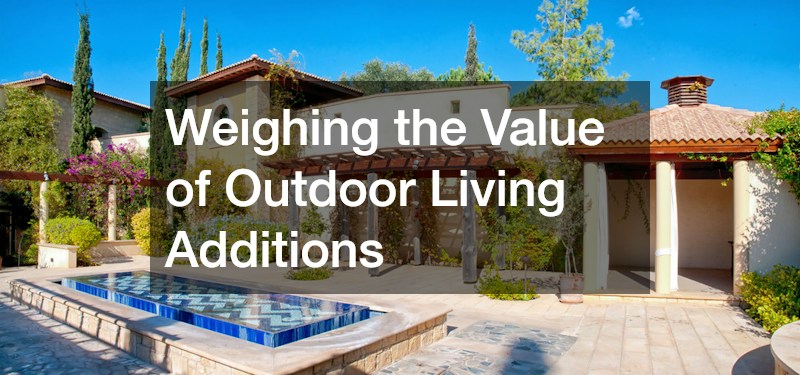
Once safety and structural concerns are handled, many homeowners start thinking about projects that improve daily enjoyment of their outdoor space. Covered outdoor areas add usable square footage without the expense of a full home addition, and they tend to have strong returns when it comes time to sell. However, these upgrades should generally wait until roofing, drainage, and structural issues are resolved.
A patio enclosure company can help you explore options ranging from simple screened-in structures to fully insulated three-season rooms, depending on your climate and budget. These additions extend the usability of your outdoor space well beyond the summer months, giving you more value for the investment. If your budget is tight this year, it’s reasonable to treat this as a phase-two project once the essentials are covered.
Considering Retractable Shade Solutions for Patios and Decks
Shade structures are another category worth considering once your home’s core systems are in good shape, since they offer comfort and energy savings without the cost of a full enclosure. Reducing direct sun exposure on windows and patios can lower cooling costs during the hottest months, which adds a practical benefit beyond aesthetics. This makes shade upgrades a reasonable mid-tier priority for homeowners who have already addressed roofing and drainage.
Retractable awnings offer flexibility that fixed structures don’t, since they can be extended for shade or retracted to let in light depending on the weather. They’re often less expensive to install than a full patio cover, making them a practical middle-ground option for budget-conscious homeowners. Many models now include motorized controls and wind sensors that automatically retract the awning during storms, adding a layer of protection for the fabric.
Balancing HVAC Efficiency With Other Priorities
While HVAC systems are technically part of your home’s interior comfort, the outdoor components like condensers and heat pumps are exposed to the elements and can suffer from neglect. A unit that’s inefficient or aging can drive up utility bills significantly, which affects your overall home budget even if it’s not a visible curb appeal issue. If your system is more than 10-15 years old or requires frequent repairs, it may be worth prioritizing over purely cosmetic projects.
For homeowners managing rental properties or larger residences, consulting a commercial HVAC contractor can provide insight into whether repair or replacement makes more financial sense long-term. Energy efficiency upgrades often qualify for rebates or tax credits, which can offset some of the upfront cost. Weighing this investment against purely aesthetic projects can help you make a more financially sound decision overall.
Saving Interior Upgrades for When Exteriors Are Secure
It’s tempting to jump straight into interior improvements like kitchen upgrades once exterior essentials feel manageable, but sequencing matters for both budget and practicality. A home with a compromised roof or poor drainage can develop moisture problems that eventually affect interior finishes, undermining any upgrades you’ve made inside. This is why financial advisors and contractors alike generally recommend securing the building envelope before investing heavily indoors.
Popular upgrades like granite countertops are a worthwhile investment once you’re confident your home’s structure is protected from water damage and other exterior risks. Installing high-end interior finishes before resolving exterior vulnerabilities can mean redoing work later if leaks or drainage issues cause damage. Patience with sequencing ultimately protects both your wallet and the longevity of your renovations.
Prioritizing exterior projects when money is tight comes down to protecting your home’s structural integrity before investing in comfort or aesthetics. Start with the roof, drainage, and any safety hazards like trees or storm risks, then move toward driveway maintenance and outdoor living upgrades as budget allows. Interior improvements can wait until you’re confident the exterior is secure and functioning properly. By tackling projects in this order, you’ll avoid costly surprises and get the most value from every dollar you spend.