A thriving garden doesn’t have to demand hours of work every week. In fact, the most successful outdoor spaces are often the ones designed with restraint and foresight. Instead of reacting to problems as they arise, a low-maintenance garden anticipates them—reducing effort while improving results.
Think of it this way: every hour you spend planning and building smart systems saves you days of labor later. Whether you’re starting from scratch or refining an existing yard, the goal is to create a space that supports itself as much as possible. That means healthier soil, smarter layouts, better water management, and fewer constant interventions.
The sections below walk through exactly how to make that happen.
Start With Smart Planning and Site Preparation
Before planting anything, take a step back and look at your space with a critical eye. A garden that’s easy to maintain begins with understanding the land itself.
Start by observing how water moves across your yard after heavy rain. Are there areas where water pools or runs off too quickly? Uneven grading can create long-term headaches, from root rot to erosion. In more complex situations, working with an excavation contractor can help correct slopes and improve drainage before you invest in plants.
It’s also worth spending a few days simply watching how sunlight travels across your yard. Morning sun, afternoon heat, and shaded pockets all influence what will grow successfully. Many homeowners skip this step and end up fighting their environment instead of working with it.
Once the groundwork is addressed, focus on building a solid foundation using the right landscape supplies. This isn’t just about aesthetics—it’s about function. Quality soil, compost, mulch, and edging materials all contribute to reducing maintenance over time. For example, thick mulch layers can significantly cut down on weeding and watering.
A helpful way to approach planning is to divide your garden into zones:
- High-visibility areas near entrances or patios
- Functional zones for growing food or herbs
- Low-touch areas that rely on native plants
By designing with intention, you reduce the need for constant adjustments later.
Build Healthy Soil That Requires Less Ongoing Work
Healthy soil does most of the work for you. When your soil is rich in nutrients and well-structured, plants grow stronger, require less watering, and resist pests more effectively.
Start with a soil test to understand what you’re working with. From there, focus on building organic matter through compost, leaf mulch, or aged manure. Over time, this improves both drainage and moisture retention—two factors that directly impact maintenance.
One often overlooked tip is to avoid over-tilling. While it might seem helpful at first, excessive tilling can break down soil structure and disrupt beneficial microorganisms. Instead, aim for a “layer and leave” approach where organic material is added on top and allowed to integrate naturally.
Instead of traditional in-ground beds, many gardeners are turning to raised beds or defined planting areas. These can be bordered with stone or brick, often installed with help from a masonry service, creating a clean, durable structure that prevents soil erosion and keeps everything contained.
Mulching is one of the simplest but most effective habits you can adopt. A thick layer:
- Suppresses weeds
- Regulates soil temperature
- Reduces evaporation
With consistent mulching, you’ll find yourself spending far less time pulling weeds or watering during hot months.
Healthy soil also improves resilience during extreme weather. During heavy rains, it drains better. During droughts, it holds moisture longer. That built-in balance is what ultimately reduces your workload season after season.
Install Efficient Irrigation for Consistent Growth
Watering is one of the most time-consuming parts of gardening—unless you automate it.
A well-designed irrigation system ensures your plants get consistent moisture without daily effort. Drip irrigation is especially effective because it delivers water directly to the roots, minimizing waste and evaporation.
If you’ve ever gone on vacation and come back to wilted plants, you already understand the value of consistency. Automation removes that uncertainty entirely.
For homeowners looking for long-term sustainability, accessing a reliable water source is key. In some areas, well drilling provides an independent supply that can support irrigation without relying entirely on municipal systems.
To keep things simple:
- Install a timer to automate watering schedules
- Adjust settings seasonally rather than daily
- Group plants with similar water needs together
Another useful strategy is to water early in the morning. This reduces evaporation and gives plants time to absorb moisture before the heat of the day sets in.
Once set up, your system should require minimal adjustments. The result is healthier plants and significantly less hands-on work.
Choose Hardy Plants That Thrive Year-Round
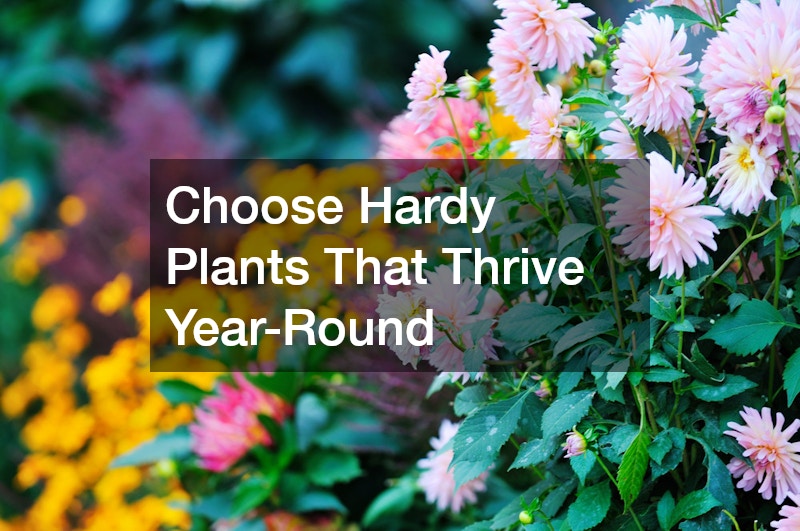
Plant selection can make or break your maintenance efforts. Choosing the right plants means fewer replacements, less watering, and minimal pruning.
Focus on native and climate-adapted species. These plants are naturally suited to your environment, which means they require less intervention to thrive. Perennials are especially valuable—they return year after year without replanting.
It’s also helpful to mix textures and growth patterns. Ground covers can reduce exposed soil (and weeds), while shrubs provide structure and shade. This layered approach creates a more self-sustaining environment.
If you’re expanding into larger planting areas or even small-scale food production, tools and resources from a farm equipment company can help streamline planting and upkeep without adding complexity.
The goal is to let your plants do what they’re already designed to do—grow with minimal assistance.
Design Your Garden Layout for Easy Upkeep
A well-designed layout reduces unnecessary movement, confusion, and effort. Think about how you’ll actually use the space on a weekly basis.
Paths should be wide enough for comfortable access, and planting beds should be reachable without stepping into them. Grouping plants by similar needs—sunlight, water, and soil—simplifies care routines.
It can also help to think in terms of “maintenance flow.” For example, placing frequently used plants closer to your home makes them easier to monitor and care for, while low-maintenance areas can be positioned farther away.
Another often overlooked detail is visibility. If you can easily see most of your garden from a patio, kitchen window, or walkway, you’re far more likely to notice early signs of stress—like drooping leaves or discoloration—before they turn into larger problems. This passive awareness reduces the need for scheduled inspections or reactive fixes.
Storage is another often-overlooked factor. Having a designated space for tools, soil, and supplies keeps everything organized and accessible. Some homeowners take inspiration from structures created by barn builders, incorporating small sheds or multi-use storage areas that blend into the garden’s aesthetic.
You can also simplify upkeep by minimizing unnecessary complexity. Instead of creating too many small, fragmented planting areas, aim for larger, cohesive sections. Fewer edges mean less trimming, fewer borders to maintain, and a cleaner overall look with less effort.
When everything has its place, maintenance becomes more intuitive. You’re not searching for tools or navigating awkward layouts—you’re simply tending to your garden with ease.
Use Shade and Weather Protection Strategically
Sunlight is essential, but too much of it can stress plants and increase watering needs. Similarly, heavy rain or wind can damage delicate growth and create extra work.
Strategic shade solutions help regulate these conditions. For smaller areas, installing roller shades can provide adjustable coverage, allowing you to control light exposure throughout the day.
For larger spaces, working with a local awning company can offer more permanent protection. Awnings or covered structures not only shield plants but also create comfortable areas for you to enjoy the garden.
You might notice that certain plants struggle during peak summer afternoons. Adding even partial shade can dramatically improve their resilience and reduce how often you need to water or revive them.
The key is balance. By moderating environmental extremes, you reduce stress on both plants and yourself.
Prevent Weeds and Pests Before They Start
The easiest problems to manage are the ones that never take hold.
Weeds and pests thrive in neglected or imbalanced environments. By maintaining healthy soil, proper spacing, and consistent mulching, you create conditions that naturally discourage them.
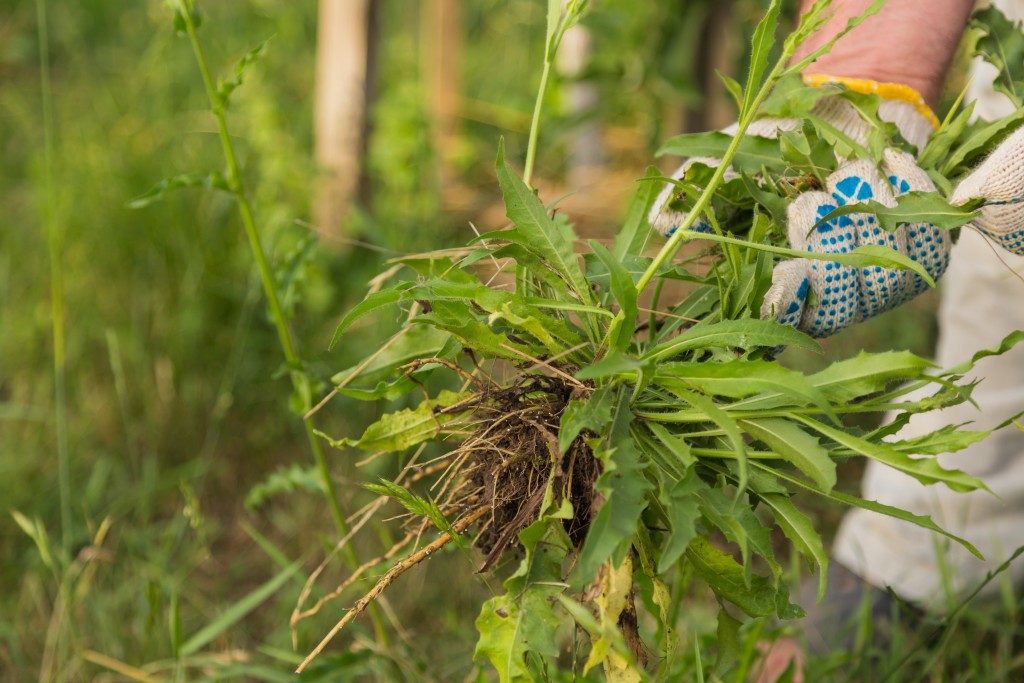
One practical habit is to address small issues immediately. Pulling a few weeds early takes minutes—waiting a week can turn it into an hour-long task.
For pests, diversity is your ally. A mix of plants attracts beneficial insects that help keep harmful populations in check. Simple habits—like removing dead leaves or rotating crops—also make a big difference.
However, some issues require extra attention. In cases where infestations persist, consulting professional exterminators can provide targeted solutions without damaging your garden’s ecosystem.
Think of prevention as a layered strategy. Each small step adds up to fewer problems over time.
Incorporate Durable Hardscaping for Long-Term Ease
Not every part of your garden needs to be living and growing. In fact, incorporating hardscape elements can significantly reduce maintenance.
Stone paths, retaining walls, and defined borders create structure while minimizing areas that require constant care. These features also improve drainage and prevent soil from shifting during heavy rain.
Working with a masonry service ensures that these elements are built to last. Well-installed hardscaping can go years with little more than occasional cleaning.
You may also find that adding a simple seating area or patio encourages you to spend more time in the garden. The more you’re present, the more naturally you’ll keep up with small maintenance tasks.
Beyond practicality, hardscaping adds visual balance. It creates contrast with greenery and gives your garden a finished, intentional look.
Plan for Seasonal Adjustments Without Extra Work
Every garden changes with the seasons, but that doesn’t mean your workload has to spike every few months.
The goal is to anticipate seasonal shifts and prepare for them in advance. For example, managing water runoff during rainy seasons can prevent erosion and plant damage. This is where broader property considerations—like roof drainage—come into play. Consulting a roofer can help ensure that gutters and downspouts direct water away from garden beds.
Another helpful approach is to choose plants that provide interest across multiple seasons. Evergreens, ornamental grasses, and certain perennials maintain structure even when others go dormant.
Instead of reacting to each season, create a simple annual rhythm:
- Early spring: light pruning and soil refresh
- Mid-summer: monitor watering efficiency
- Fall: add mulch and compost
- Winter: minimal upkeep, mostly observation
By aligning your efforts with natural cycles, you avoid last-minute fixes and keep your garden stable year-round.
Maintain Your Garden With Minimal Effort Year-Round
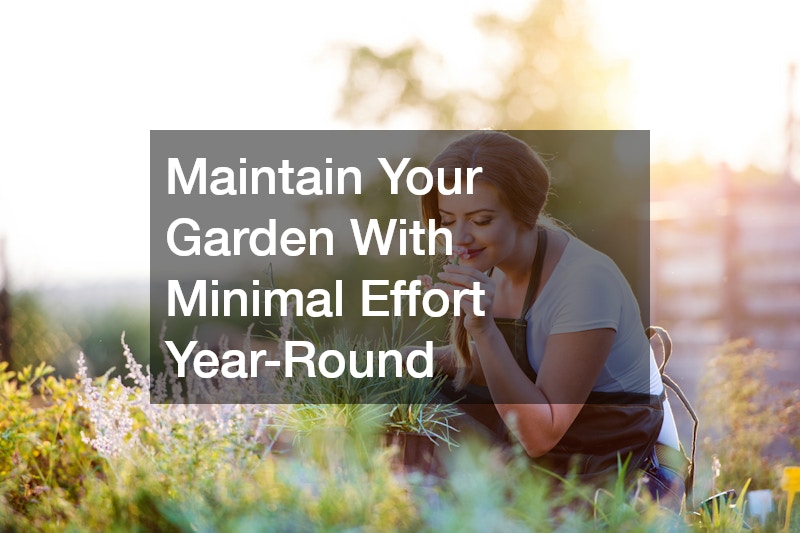
Once your systems are in place, maintenance becomes less about constant work and more about small, consistent habits.
A simple routine might include checking soil moisture, trimming overgrowth, and occasionally replenishing mulch. Having the right landscape supplies on hand—like pruners, fertilizers, and soil amendments—makes these tasks quicker and more efficient.
One useful mindset shift is to treat gardening like a daily reset rather than a weekend project. Spending just five to ten minutes a day—watering a dry spot, removing a weed, or clipping a stray branch—prevents tasks from piling up. Over time, this approach feels almost effortless.
It can also be helpful to keep a small set of tools in a convenient, easy-to-grab location. When tools are within reach, you’re more likely to act on small tasks immediately instead of postponing them.
Rather than dedicating entire weekends to gardening, you’ll find that a few minutes here and there is enough to keep everything in shape.
It’s also helpful to stay observant. A quick walk through your garden can reveal small issues before they become larger problems. Over time, this awareness becomes second nature.
A Garden That Works With You, Not Against You
A low-maintenance garden isn’t about doing less carelessly—it’s about doing things thoughtfully from the start. Every choice, from soil preparation to plant selection, contributes to a system that supports itself.
The payoff is more than just saved time. It’s the ability to enjoy your outdoor space without feeling tied to it. You can step outside, take in the growth, and appreciate the balance you’ve created—knowing it will continue to thrive with minimal effort.