
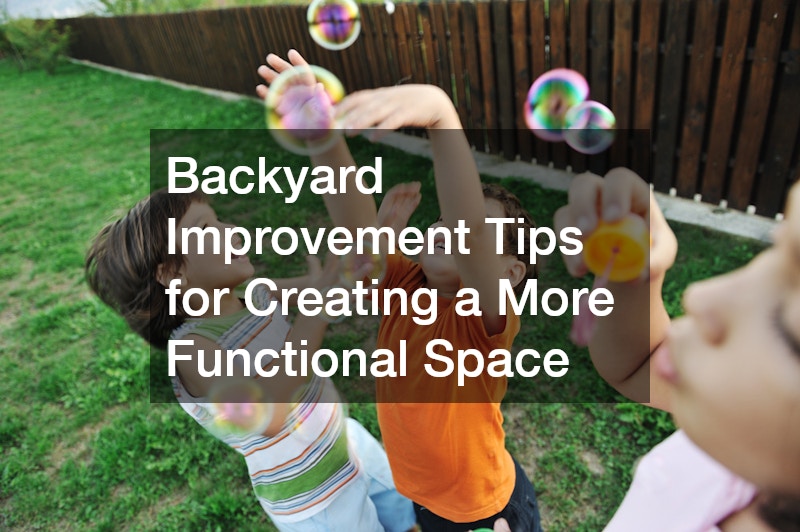
Creating an outdoor area that truly supports how you live, relax, and entertain takes more than surface-level upgrades. A thoughtful approach to layout, safety, durability, and long-term usability can turn an underused yard into one of the most valuable parts of your property. Whether you are working with a small suburban lot or a larger open landscape, strategic planning helps ensure every square foot serves a purpose. Thoughtful backyard improvement decisions can enhance comfort, reduce maintenance challenges, and increase how often the space is used throughout the year.
A functional outdoor space balances aesthetics with practicality. This means thinking beyond appearance and considering how people move through the yard, how different zones interact, and how features perform in changing weather conditions. Lighting, privacy, storage, and access points all influence how welcoming and efficient the area feels. When these elements are aligned, the result is a yard that supports everyday routines just as well as special gatherings.
The following sections explore practical strategies for enhancing usability, safety, and visual cohesion. Each area focuses on one aspect of outdoor functionality, helping homeowners approach upgrades with clarity and confidence. By making informed choices, backyard improvement efforts can lead to a space that feels intentional, comfortable, and adaptable for years to come.
Improving Safety and Visibility Throughout the Yard
Safety is one of the most overlooked aspects of outdoor planning, yet it plays a major role in how comfortable people feel using the space. Clear sightlines, proper lighting, and defined boundaries help reduce accidents while also making the yard more welcoming. For families with children, pets, or frequent guests, these considerations are essential. Incorporating features such as video surveillance cameras allows homeowners to monitor activity around the property, deter unwanted visitors, and maintain awareness of outdoor areas during all hours.
Strategic placement of lighting along walkways, steps, and gathering areas improves nighttime visibility and reduces tripping hazards. Motion-activated fixtures near entrances or side yards add another layer of security while conserving energy. Fencing, hedges, or low walls can help define property lines and guide foot traffic without making the yard feel closed off. These elements work together to create a sense of structure and protection.
When safety features are integrated thoughtfully, they do not detract from aesthetics. Instead, they support a more relaxed experience by allowing people to enjoy the space without constant concern. A well-lit, visible yard encourages evening use, social gatherings, and quiet outdoor time. As part of a broader backyard improvement strategy, prioritizing safety helps ensure the space is as functional as it is attractive.
Creating Defined Activity Zones for Everyday Use
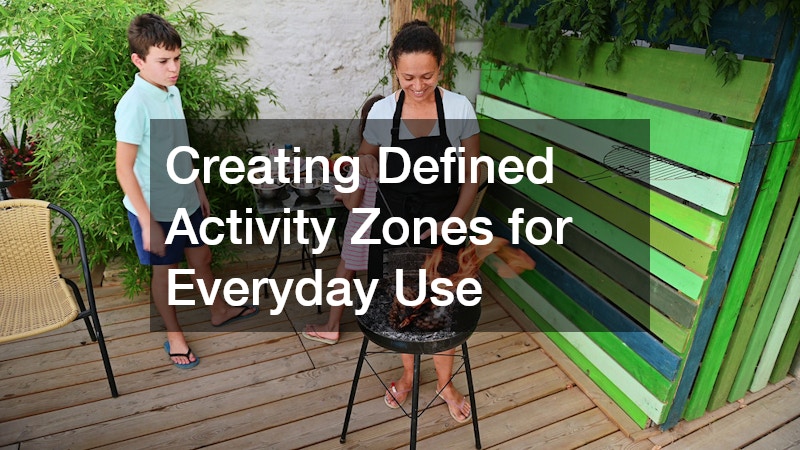
A functional yard benefits from clearly defined zones that support different activities. Instead of one open area serving multiple purposes, dividing the space into sections helps reduce clutter and improve flow. For example, separating dining, play, gardening, and relaxation areas allows each zone to function independently while still feeling connected. Tools like laser timing gates may be used in recreational or training-focused spaces to measure movement and performance, especially in yards designed for sports practice or fitness activities.
Paths, changes in surface materials, and subtle elevation shifts help visually separate zones without the need for walls or fences. Pavers, gravel, turf, and decking can each signal a different purpose while adding texture and interest. Furniture placement also plays a role, as seating arrangements naturally guide how people use each area. When zones are thoughtfully planned, the yard feels organized rather than crowded.
This approach supports a smoother daily routine. Children can play without interfering with cooking or entertaining areas, while adults enjoy quieter spaces for conversation or relaxation. Well-defined zones also make future updates easier, as each section can be adjusted without disrupting the entire layout. Incorporating zoning into your backyard improvement plan helps ensure the space adapts to changing needs over time.
Managing Trees and Natural Growth Responsibly
Trees provide shade, privacy, and natural beauty, but unmanaged growth can quickly create safety and maintenance issues. Overgrown branches may interfere with structures, block sunlight, or pose a risk during storms. Working with local tree removal companies helps homeowners assess which trees should be trimmed, relocated, or removed entirely to support a safer and more functional yard.
Responsible tree management improves airflow and light distribution, benefiting lawns and garden areas. Removing unhealthy or poorly placed trees can also prevent root damage to patios, walkways, and foundations. When done carefully, these changes enhance the overall balance of the landscape rather than leaving it feeling bare or exposed. Replacement plantings can introduce species better suited to the yard’s size and layout.
Tree care decisions should align with long-term goals for the space. Whether the aim is to create open sightlines, expand usable areas, or reduce ongoing maintenance, thoughtful planning makes a significant difference. As part of a comprehensive backyard improvement approach, managing natural growth ensures the landscape remains both attractive and practical.
Enhancing Visual Cohesion With Exterior Finishes
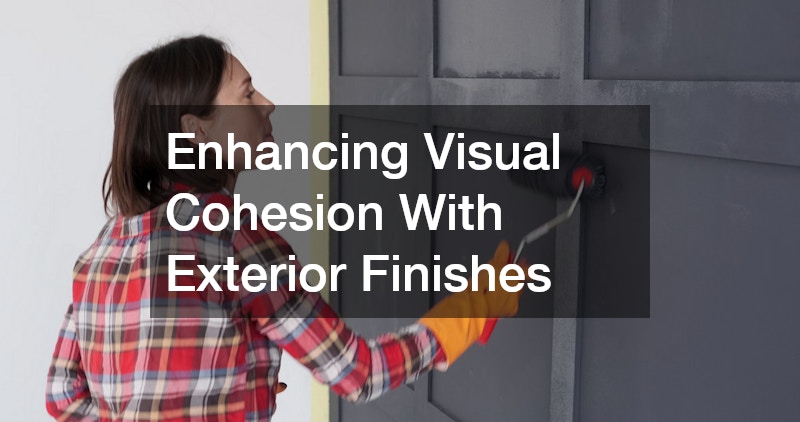
Visual consistency plays a major role in how polished and inviting an outdoor space feels. Structures such as sheds, fences, pergolas, and exterior walls should complement one another rather than compete for attention. Working with an exterior painting contractor can help unify these elements through coordinated color palettes and durable finishes designed for outdoor conditions.
Fresh paint does more than improve appearance. It protects surfaces from moisture, sun exposure, and temperature changes that can lead to deterioration over time. Choosing colors that reflect light can also make smaller yards feel more open, while deeper tones add warmth and definition to larger spaces. When finishes are consistent, the yard feels intentional rather than pieced together.
A cohesive visual strategy supports long-term usability by reducing the need for frequent touch-ups or replacements. It also enhances curb appeal, which can be beneficial if the property is ever sold. Integrating exterior finishes into your backyard improvement plan helps tie functional upgrades together into a unified design.
Preparing the Ground for Long-Term Functionality
The condition of the ground beneath your yard has a direct impact on how well the space functions. Uneven terrain, poor drainage, or compacted soil can limit where features are placed and how comfortable the yard feels. Partnering with a local excavating service allows homeowners to address these issues by grading surfaces, improving drainage paths, and preparing stable foundations for patios, walkways, or play areas.
Proper excavation prevents water pooling and erosion, both of which can damage structures and landscaping over time. It also ensures that hardscapes remain level and safe to use. When the ground is prepared correctly, future installations become more straightforward and cost-effective. This foundational work often goes unnoticed, yet it is one of the most important aspects of outdoor planning.
Addressing terrain challenges early helps avoid repeated repairs and adjustments. It also expands the range of features that can be added later, from seating areas to garden beds. As part of a thoughtful backyard improvement strategy, investing in ground preparation supports durability and ease of use for years to come.

Supporting Healthy Plant Growth and Seasonal Flexibility
Gardening adds life, color, and personal expression to an outdoor space, but success depends on choosing the right plants and materials. Visiting a local garden center provides access to region-appropriate plants, soil amendments, and expert guidance tailored to local conditions. This helps ensure plantings thrive with minimal maintenance.
Well-planned garden areas contribute to functionality by softening hard edges, providing shade, and guiding movement through the yard. Raised beds, container gardens, and vertical plantings allow flexibility in smaller spaces while still delivering visual impact. Seasonal plant choices keep the yard interesting throughout the year, encouraging regular use rather than limiting enjoyment to one season.
Healthy plant growth also supports environmental benefits such as improved air quality and natural cooling. When integrated thoughtfully, gardens enhance comfort and usability without overwhelming the space. Including smart planting decisions in your backyard improvement efforts helps create a landscape that feels alive and adaptable.
Removing Obstacles That Limit Usable Space
Old stumps, debris, and remnants of previous landscaping can significantly limit how a yard is used. These obstacles often create tripping hazards and make maintenance more difficult. Using a stump grinder to remove leftover tree stumps allows homeowners to reclaim valuable space and create a smoother, safer surface.
Once obstacles are removed, the area can be repurposed for seating, planting, or open play. Eliminating uneven surfaces also improves mowing and general upkeep, saving time and effort. In many cases, removing these remnants reveals opportunities for layout improvements that were previously hidden.
Clearing obstacles supports both safety and flexibility. It allows the yard to evolve without being constrained by outdated features. As part of a larger backyard improvement plan, removing physical barriers helps maximize usable space and simplifies future upgrades.
Refining Boundaries With Durable Fence Finishes
Fences play an important role in defining boundaries, providing privacy, and enhancing security. Over time, constant exposure to sunlight, rain, wind, and temperature changes can cause fading, peeling, warping, or structural wear. Working with fence painting contractors helps extend the life of fencing while refreshing its appearance to better match the rest of the yard and surrounding outdoor features.
Updated finishes protect wood or metal from moisture intrusion and UV damage, reducing the risk of rot, corrosion, or premature deterioration. Proper surface preparation and high-quality coatings also help prevent cracking and peeling, which can quickly make a fence look neglected. Color choices can either help the fence blend seamlessly into landscaping or serve as a subtle visual feature that frames the yard without overwhelming it. Neutral tones often create a calm backdrop, while deeper colors can add contrast and definition.
A well-maintained fence contributes to a sense of order and care that influences how the entire space is perceived. Refined boundaries support comfort by creating a defined outdoor environment that feels enclosed without being restrictive or confining. When fences are maintained as part of ongoing backyard improvement efforts, they continue to support both functionality and visual consistency over the long term while reducing the need for frequent repairs or replacements.
Designing With Purpose and Flow in Mind
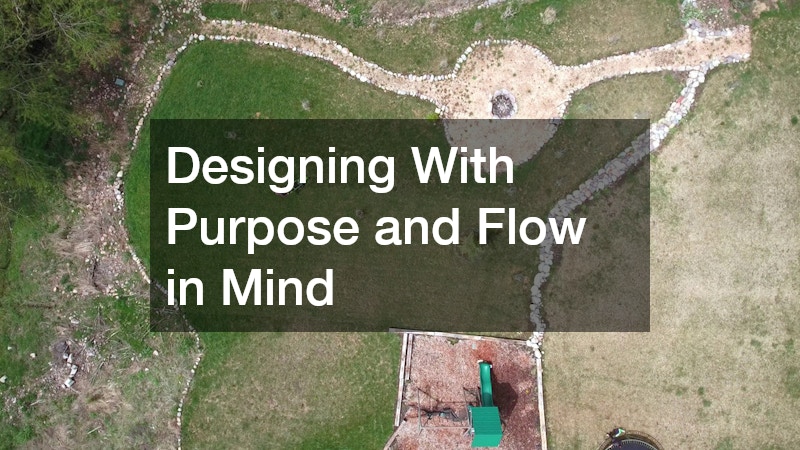
Thoughtful planning is what transforms individual upgrades into a cohesive outdoor experience. Considering layout, proportions, and movement patterns ensures the yard feels intuitive to use rather than awkward or fragmented. Incorporating principles of architectural design helps align structures, pathways, and open areas so they work together rather than competing for attention or creating visual clutter.
Design-focused planning takes into account how people enter the yard, where they naturally gather, and how different features relate to one another throughout the space. This approach reduces wasted areas and improves overall comfort by guiding movement in a logical, natural way. It also helps prevent congestion around high-use zones such as seating areas, grills, or garden paths. When circulation is planned properly, the yard feels open and easy to navigate, even when multiple activities are happening at once.
A purposeful design creates a sense of harmony that enhances everyday enjoyment and encourages more frequent use of the space. When each element has a clear role and visual balance is maintained, the yard feels calm, organized, and welcoming. Integrating design principles into your backyard improvement strategy ensures upgrades feel intentional, adaptable, and capable of supporting changing needs over time rather than becoming outdated or inefficient.
Supporting Construction and Hardscape Efficiency
Many functional upgrades rely on durable hardscape elements such as patios, walkways, and retaining features. Coordinating with a concrete delivery company ensures materials arrive on schedule and meet the specifications needed for long-lasting results. Reliable delivery supports efficient project timelines and consistent quality.
Concrete surfaces provide stable, low-maintenance areas for seating, dining, and high-traffic zones. When installed correctly, they withstand weather exposure and heavy use with minimal upkeep. Thoughtful placement of these features enhances accessibility and supports smooth transitions between different areas of the yard.
Hardscape planning should align with overall goals for usability and appearance. When materials and logistics are handled efficiently, projects progress smoothly and deliver reliable results. Including construction planning in your backyard improvement approach helps ensure functional upgrades are both durable and well-integrated.
By addressing safety, layout, natural elements, and long-term durability, homeowners can create outdoor spaces that truly support daily life. A strategic approach to backyard improvement transforms the yard into a functional extension of the home, encouraging regular use, comfort, and enjoyment throughout every season.